Use the ← and → arrows to explore more photos
Wad Madani, Sudan – 18 November 2026
The Agricultural Research Corporation (ARC) of Sudan participated remotely in the Sudan Archival Alliance meeting, held in Bergen, Norway, from 16 to 18 November 2026 in a combined in-person and virtual format. The meeting aimed to build a comprehensive overview of the state of archives and collections in Sudan, to establish an alliance with holders of Sudanese collections in Europe to mitigate losses, to provide access for researchers and students, and to raise funds for their safeguarding and restoration.
The meeting was coordinated by the University of Khartoum and the National Records Office, in cooperation with national partners and individuals. The University of Bergen represented the external partners and also serves as a coordinator of the project. International speakers presented at the meeting: Alexandros Tsakos (University of Bergen Library), Cornelia Kleinitz (Humboldt University, Berlin), Christina Riggs (Durham University), Anael Poussier (CEDEJ), and Marilyn Deegan (Sudan Memory).
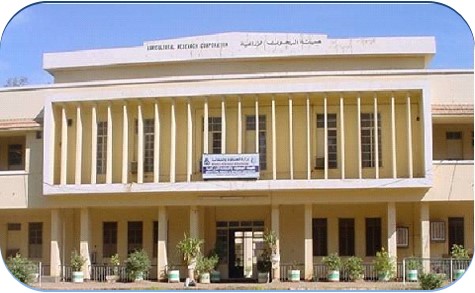
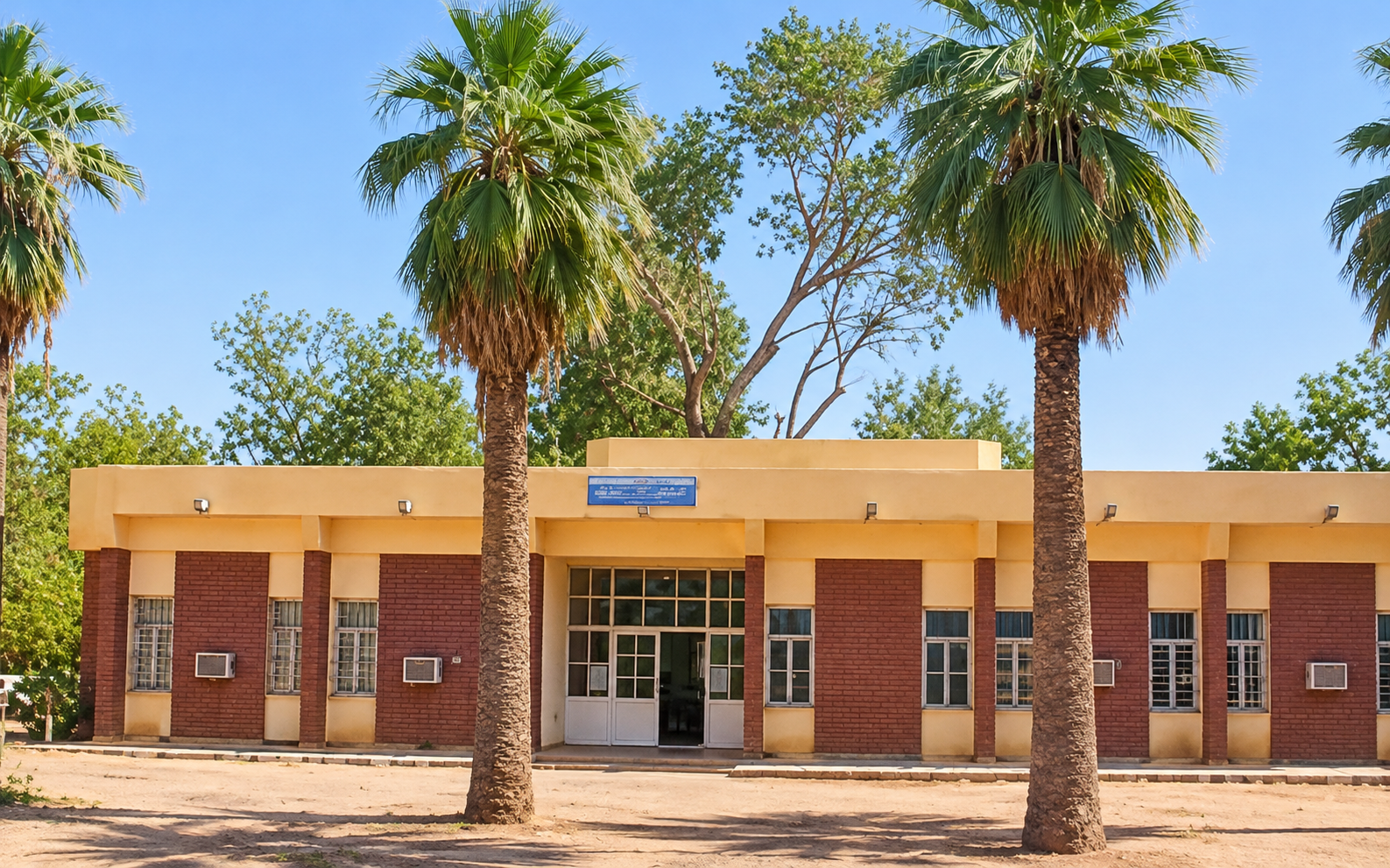
Dr. Amir Abdullah Yousif Malik, Director of the General Directorate of Human Resources Development and Information, and Ms. Ahlam Ismail Musa, Head Librarian and Manager of the Central Library and Agricultural Information Systems Center, delivered the presentation remotely, titled “Safeguarding Sudan’s Agricultural Memory: Readiness Assessment, Institutional Memory Preservation and Business Continuity Plan.” The paper offered an overview of ARC as Sudan’s primary national agricultural research institution and of the Central Library’s role, which spans nearly a century. It addressed the digital infrastructure in place before the crisis, the development of open systems made available online through the library’s server, and their linkage to international systems via the Open Archives Initiative Protocol for Metadata Harvesting (OAI-PMH). It also described the digital safeguarding measures implemented, including off-site backups and the preservation of records in standard formats, as well as current challenges, chiefly the server and network infrastructure.
The paper also highlighted ARC’s key centers supporting research, memory and food security: the Central Library and Agricultural Information Systems Center; the Agricultural Plant Genetic Resources Conservation and Research Centre; the Sudanese Soil Information System, operating under the Land, Water and Plant Nutrition Research Center in Wad Madani; and the dedicated Information and Communications Technology Unit at ARC headquarters in Wad Madani. It concluded with recommendations that include rehabilitating the Central Library’s servers and reactivating its digital systems (Koha, DSpace and OJS); upgrading communication networks and fiber-optic lines at ARC headquarters and the Central Library; rehabilitating facilities and research and training spaces; building the capacity of library and IT staff through Training of Trainers (ToT) programs; developing a written Business Continuity Plan (BCP); drawing on national expertise in libraries, digital archiving and information technology; and strengthening partnership with the Alliance to secure funding and technical and advisory support and to expand open-access pathways for researchers and students.
On the second day, His Excellency Elsadig Elias Diab, Ambassador of Sudan to Greece, addressed the sessions and outlined the embassy’s role in safeguarding Sudanese heritage and its support for such initiatives, whether they come from relevant institutions or from families. He affirmed the embassy’s follow-up of the project and its engagement with the relevant Sudanese authorities and with Sudanese embassies in European countries, and he commended the efforts of the partners.
The first day opened with a paper on the state of cultural heritage in Sudan, presented online by Professor Intisar Soghayroun El Zein (University of Khartoum). Dr. Nagwa Mahmoud Elhaj Musa, Director General of the National Records Office, presented a paper on the history and development of the Office and its current situation following the conflict, including the challenges it faces.
Several Sudanese institutions participated online, including the Nile Valley State Archive and the Ministry of Foreign Affairs Archive, alongside papers on the transport, television and radio archives. Sudanese universities and institutes also took part, including the Institute of African and Asian Studies, Al-Imam Al-Mahdi University and Nile Valley University, together with presentations on university collections and on Sudanese collections held in Europe. The third day was devoted to a private meeting of the external partners and project coordinators to discuss the way forward for the Archival Alliance, including funding, task forces and a memorandum of understanding.
Related Links: